The Impact of Invisible Disability
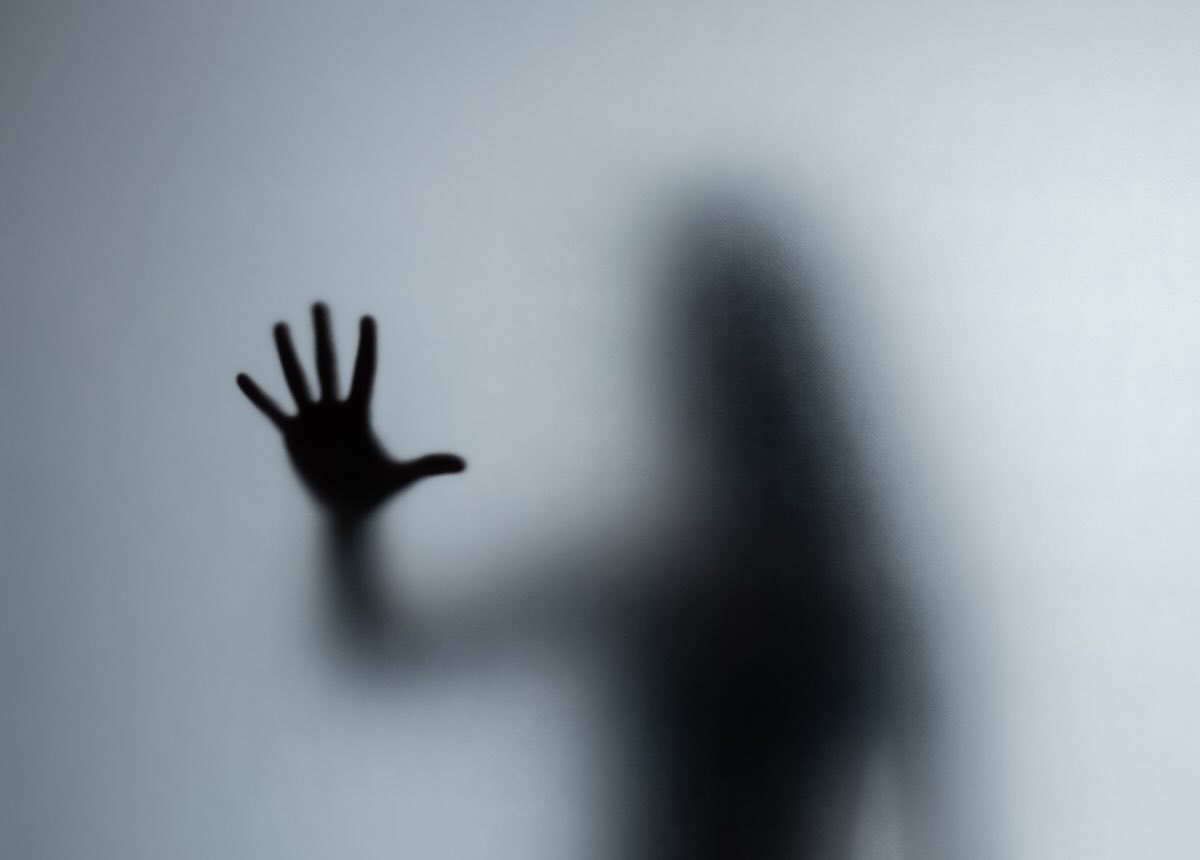
Discrimination isn’t always obvious. It isn’t always loud. Sometimes it’s quiet, subtle, and even unintentional. But it still leaves a mark. Living with an invisible disability means facing daily challenges that people often don’t see or understand. And sometimes the hardest part is that they think they do.
People make assumptions about what my life is like, what I can handle, and what I need. They pretend to understand my experiences without really listening. Because they can’t see my disability, they sometimes treat it as if it doesn’t matter or isn’t significant. Those moments — being interrupted, dismissed, or questioned about how I feel — might seem small to others, but they build up. They chip away at confidence, self-worth, and trust.
I often have to explain or justify my needs in situations where someone else’s disability might be automatically accepted. If I can’t prove my experience, it is dismissed. That can happen in workplaces, healthcare settings, or even everyday social interactions. People might offer advice or try to help, but it is often based on their assumptions, not the reality of what I live with every day. That well-meaning intent does not replace understanding. It can feel like my experiences are being erased.
The reality is that discrimination, even when subtle, has real consequences. It affects mental health, confidence, and the ability to access opportunities. Being dismissed or assumed to be overreacting can lead to anxiety, stress, and self-doubt. Even the smallest acts of minimisation can leave people questioning themselves, their worth, and their abilities. What might seem insignificant to one person can be deeply damaging to the person experiencing it. Invisible disabilities may not leave visible marks, but the psychological and emotional impact is very real.
Discrimination also affects relationships and social connection. When people assume they understand your experience, or when your challenges are minimised, it can be isolating. You may start to withdraw or stop sharing what you’re going through because it feels like nobody will truly understand. This isolation can make everyday life more difficult. It can compound mental health challenges, leaving people feeling unseen and unheard.
We often think of discrimination as something extreme — a loud, obvious act of exclusion or prejudice. In reality, it is just as harmful when it is subtle. Casual comments, assumptions, or disbelief might not make headlines, but they shape lives. They dictate who is heard, who is believed, and who is valued. They create barriers to participation in work, education, and community life. And they reinforce the message that some experiences, particularly those that are invisible, are less important or less valid.
For people with invisible disabilities, the daily experience can feel like a constant test. Every interaction, every conversation, is an opportunity for someone to dismiss or misunderstand your reality. You have to decide whether to speak up, explain yourself, or let it go. Each choice has consequences. Advocating for yourself takes energy, courage, and resilience. But it should not be necessary just to have your experiences recognised and respected.
People need to understand that discrimination, no matter how small it seems, has real impact. Even if others think it is insignificant, it can cause real harm. It affects confidence, mental health, relationships, and opportunities. It can leave lasting scars that others cannot see. Invisible disability discrimination may be quiet, but its effects are loud.
The good news is that change is possible. Every conversation where someone listens without judgement, every moment where a lived experience is believed, and every action taken to include and support someone with invisible challenges helps build a more understanding and empathetic society. By choosing to notice, to pause before assuming, and to treat others with respect, each of us can make a real difference. Invisible disabilities may be unseen, but the support, understanding, and recognition we offer can be visible, meaningful, and life-changing.