Insights & Articles
Explore the latest research, perspectives, and actionable insights on inclusive design and accessibility from our community of unique humans.
New analysis by Knowable Me finds that seven in ten ASX200 companies make no public reference to disability, raising questions about productivity, workforce participation and organisational risk.

AI platforms can tell us an extraordinary amount about the world our systems have recorded. But recovering the world they've failed to record, rating their findings, or recommending optimal outcomes are still the responsibility of humans. Perhaps the greatest hope of the AI age is that these platforms were created by us – and we still have the power to change them.
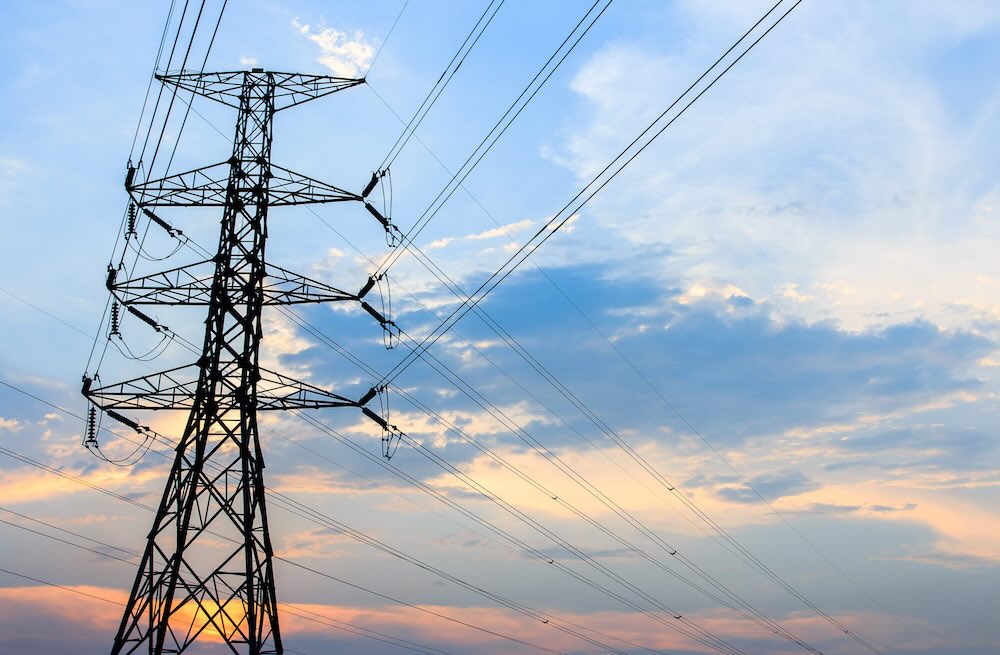
This article reflects on the accessibility of climate campaigns like Earth Hour, exploring how well-intentioned initiatives can unintentionally exclude people with disability—and what more inclusive climate action could look like.

Why do workplace adjustments - often low-cost, legally required, and proven to improve productivity - still get treated like special treatment? This article explores how deeply ingrained ideas about fairness, visibility of work, and control shape manager responses, often to the detriment of both people and performance. Through a relatable reframe of the classic tortoise and hare story, it challenges organisations to rethink what “good work” actually looks like, and who gets to define it.

Each March when Australia shares purple hashtags and posts cheerful International Women’s Day messages, a truth often goes unspoken: for millions of disabled women in this country, gender equality isn’t a celebration, it’s a battleground. International Women’s Day is meant to spotlight the unfinished work of gender equality. But too often, the experiences of women with disability are missing from that spotlight altogether.
For Zero Discrimination Day, this powerful reflection explores the impact of living with an invisible disability. From subtle dismissal to everyday minimisation, it examines how quiet discrimination shapes confidence, mental health and opportunity, and why believing lived experience matters.
Rare diseases affect more than two million Australians, yet most remain invisible in public conversation, research investment and treatment pathways. In this personal reflection for Rare Disease Day, a member of the rare disease community shares the realities of delayed diagnosis, off-label treatments and living with two neuroimmune conditions, challenging the idea that rare means uncommon - or unimportant.

On World Social Justice Day, Australia’s first blind Aboriginal lawyer reflects on navigating systems never designed for Mob with disability — and why lived experience isn’t inspiration, it’s expertise.
New analysis by Knowable Me finds that seven in ten ASX200 companies make no public reference to disability, raising questions about productivity, workforce participation and organisational risk.

A reflection on accountability, power, and why broken systems so often rely on individuals to pick up the slack.
Join our email list for short, practical insights shaped by people too often overlooked in research.
Knowable Me acknowledges that Australia contains hundreds of nations, spanning more than 65,000 years, and we live and work on land unceded by Aboriginal and Torres Strait Islander peoples.Their wisdom, story telling, and deep listening is a history we pay respect to in the way we conduct business.